
Classical mechanics is a hierarchy of physical objects including the motion of planetary objects, galaxies, and black holes. Educate people about the gravitation topic and
Tag: Study

Kinematics is a branch of physics where we study the motional properties of objects moving in linear or planer paths. The basic measurements include displacement,
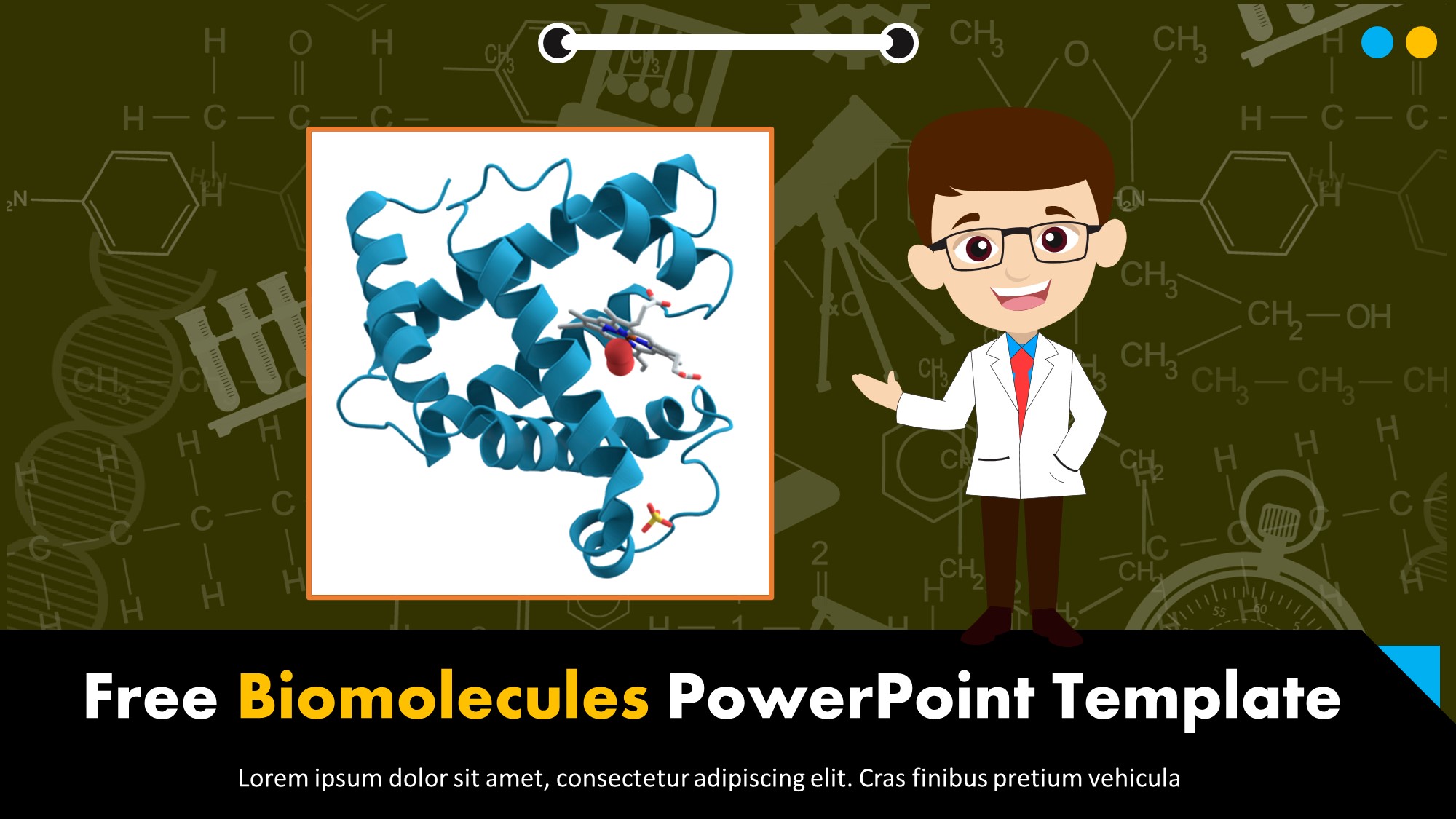
Give a detailed description of the physical quantities, base units, and SI units system for your presentations. This portion of the physical world is the

Master the foundational concepts of physics like dynamism, motion, various forces to help you in making professional research topics for your presentations.Use the basic physics
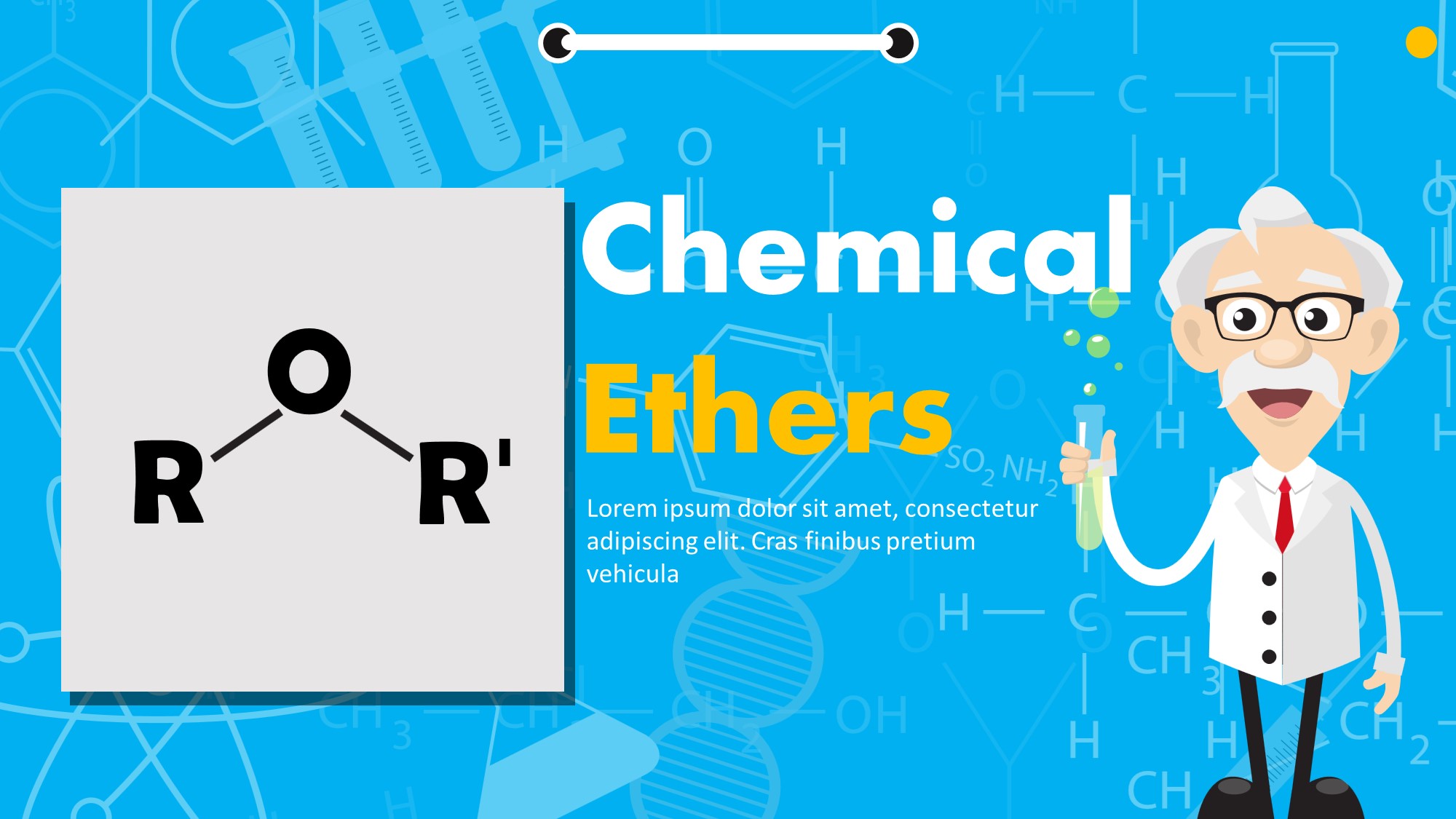
Ether is an organic compound in which oxygen is bonded with two alky groups, these can be aryl also. Ether shares similar physical and chemical


Haloalkanes are the organic compounds having singly bonded carbon atoms whereas haloarenes have double bonds between their carbon atoms. In this chapter, we will study

The f-block elements are also called inner-transition elements having two different series that are 4f and 5f series. F-block elements include lanthanides and actinides which

Transition metals are referred to as d-block elements as they exhibit properties of variable atomic or ionic sizes, ionization enthalpy and oxidation states. D-block elements

Inside the metallurgy topic, a detailed view of the occurrence and process of extraction of metals will be studied. This includes how the metal is

Coordination chemistry is the study of complex compounds found biologically or as minerals inside the rocks at great depths. These subtopics that we study in
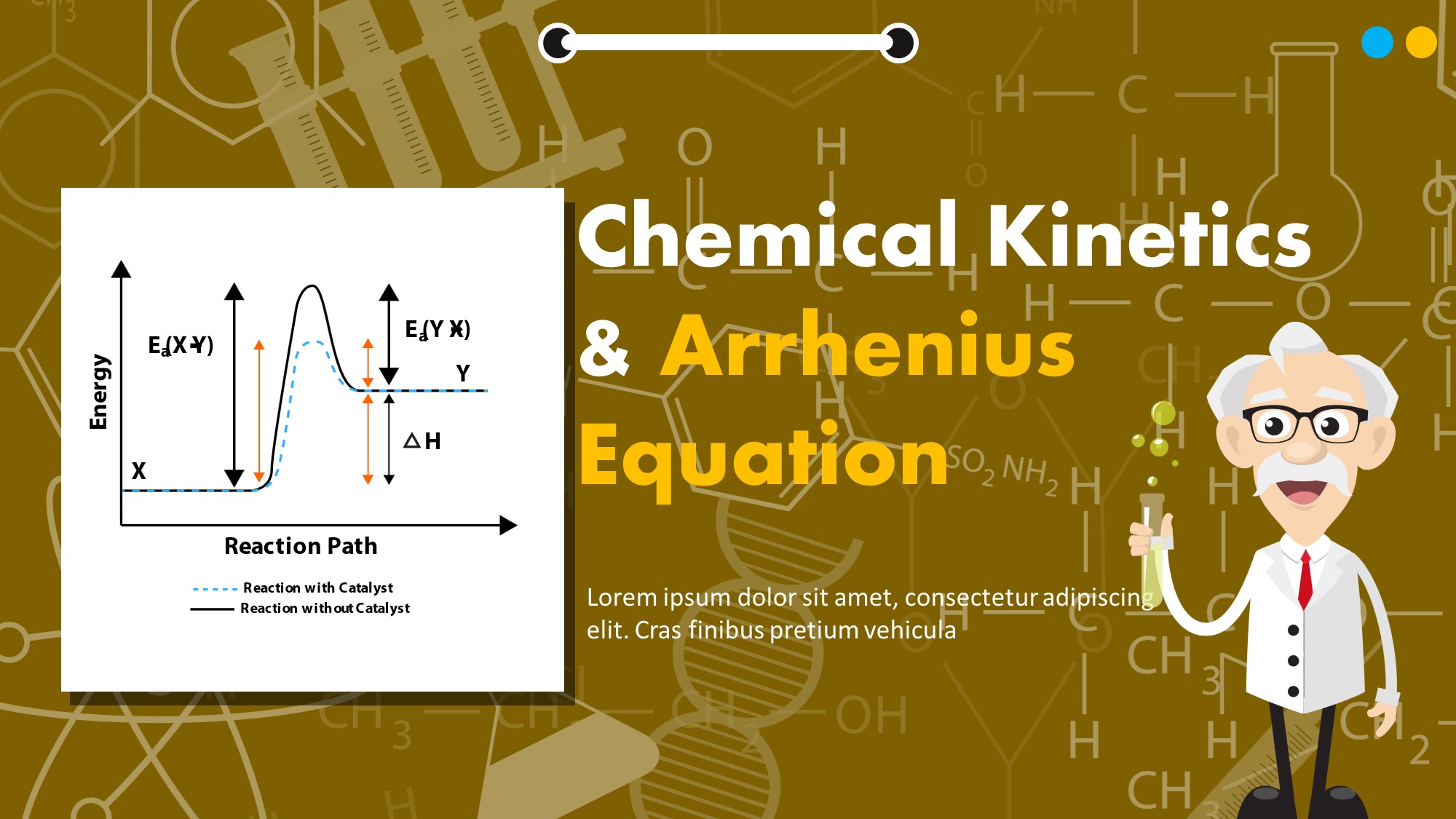
Chemical kinetics is the rate at which a reaction is taking place. The main concepts that influence the rate of reaction are molecularity, the order
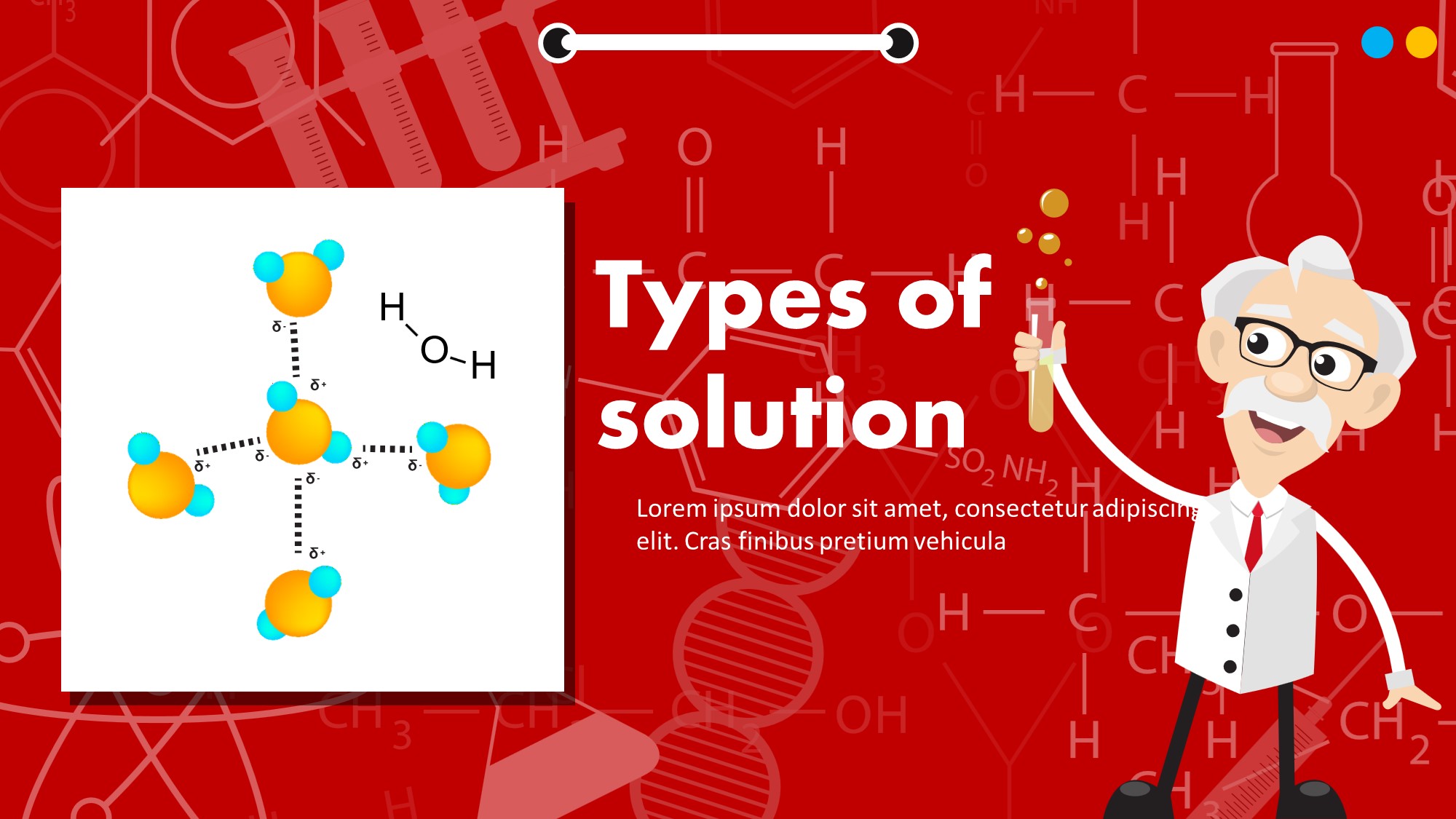
Solutions are defined as substances having a constant concentration of solute or solvent in it, thus making a homogeneous or heterogeneous solution. The factors on
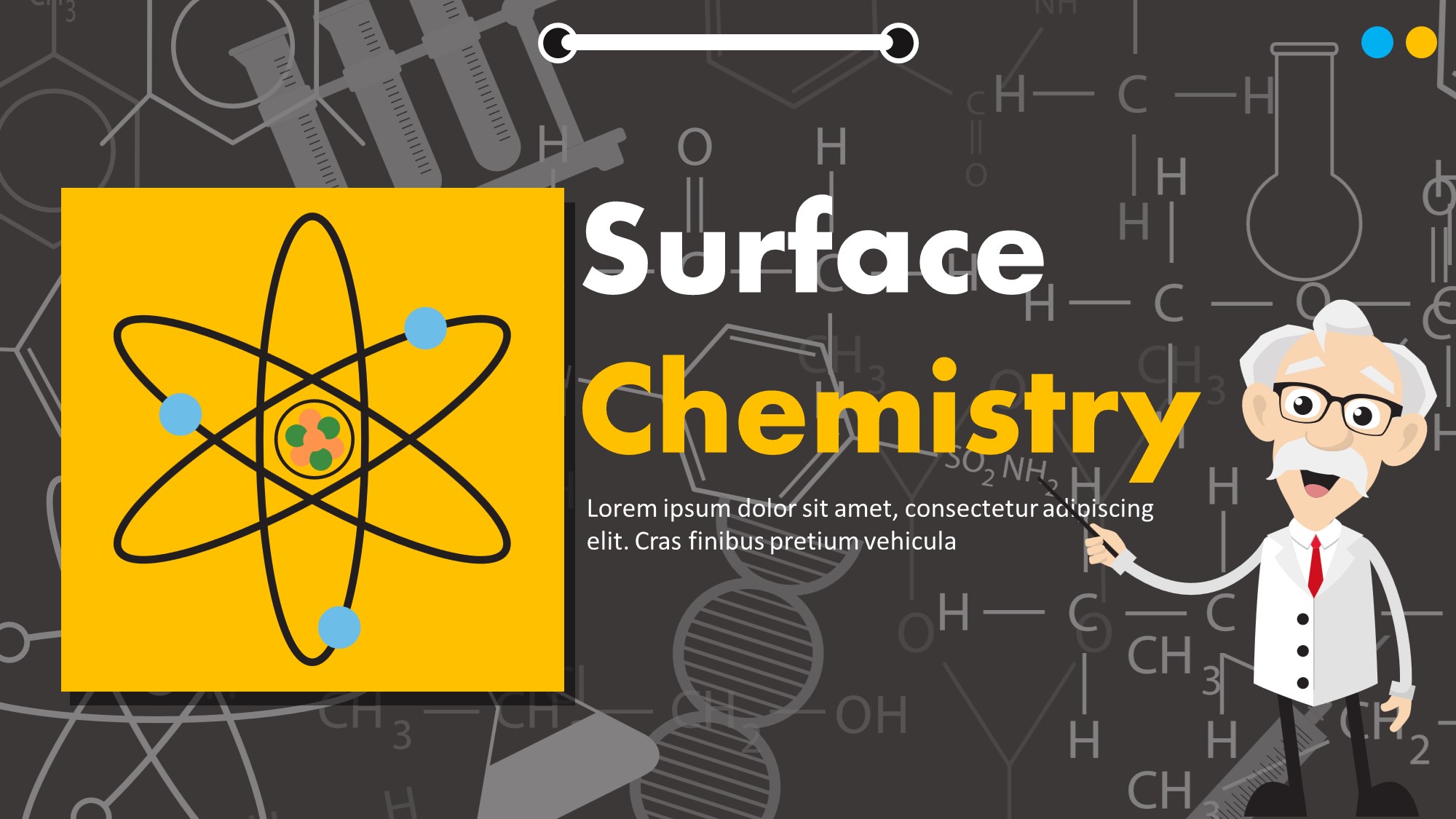
The surface chemistry is the whole bunch study of physical phenomena occurring inside the chemical world. The major branches of surface include adsorption, catalysis, colloids,
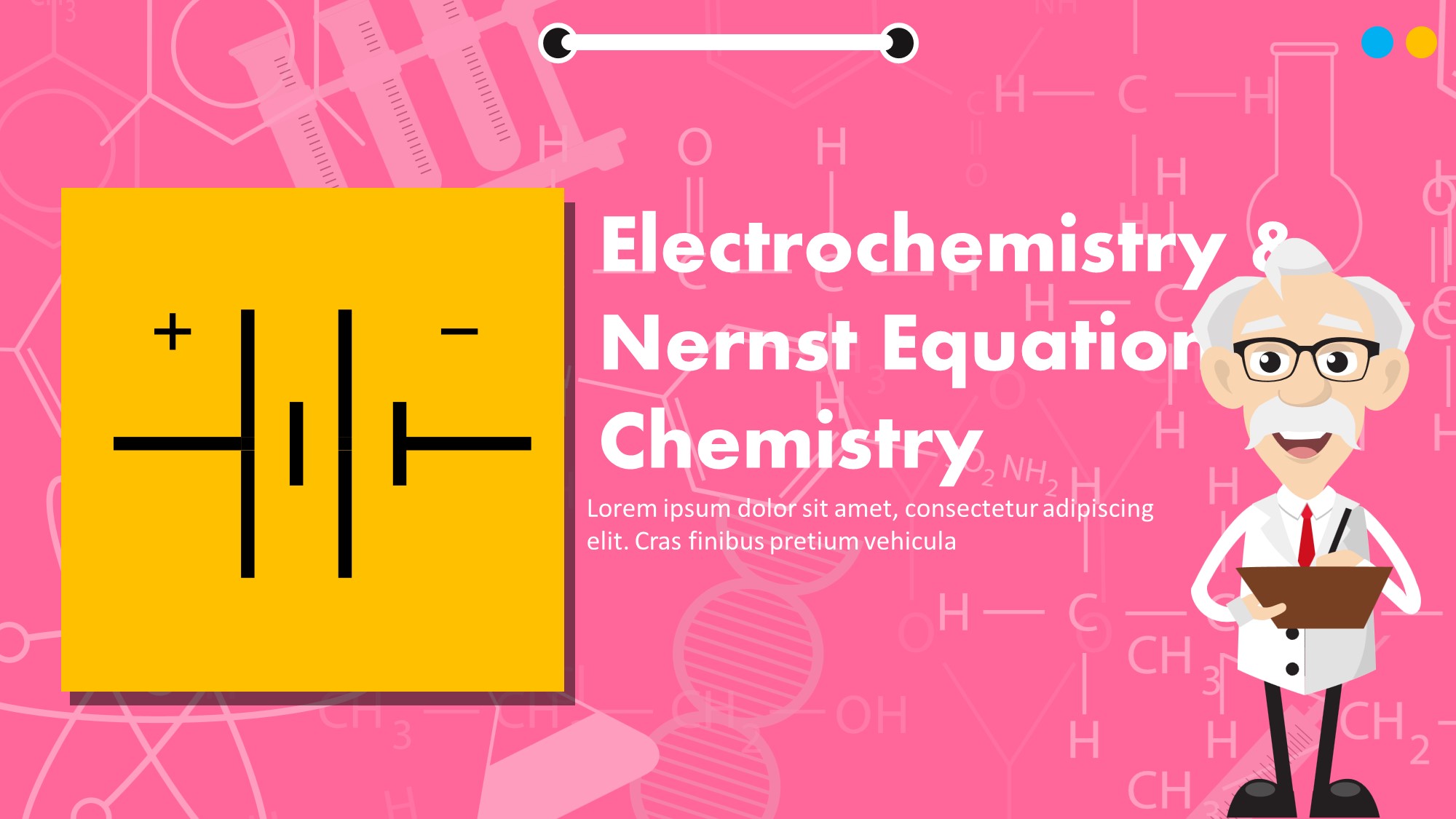
Electrochemistry is the study of the influence of electricity on chemical reactions. This chapter involves the detailed lesson of galvanic cells, electrode potential, or Nernst

Give a general overview of the different characteristics shown by types of solid – Amorphous and crystalline. The crystalline solids are classified as molecular, ionic,